TCEQ licensed irrigator
Valve Repair & Replacement
Expert repair and replacement of irrigation valves to restore proper water flow and system control. We carry common parts for same-visit repairs.
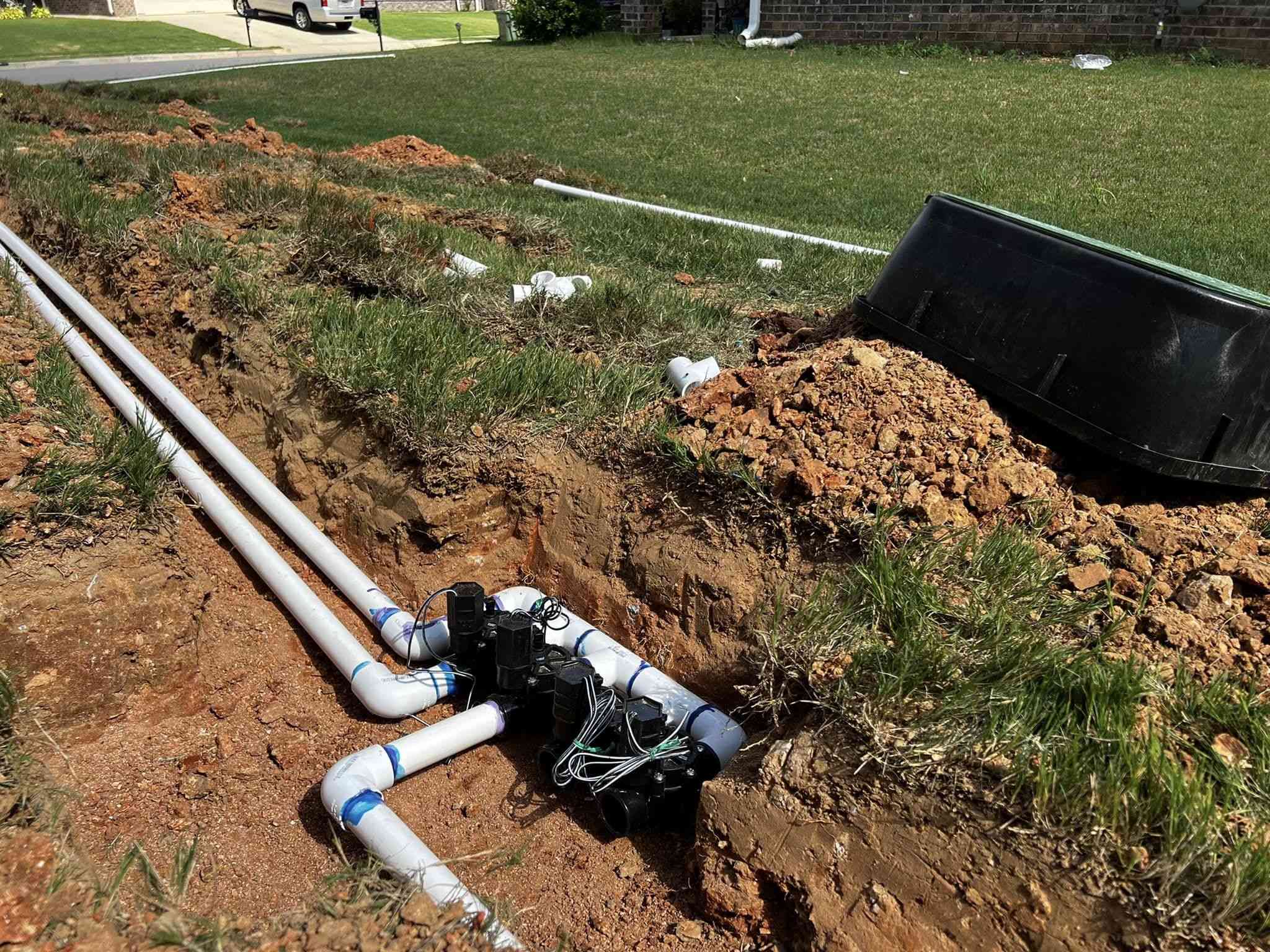
Signs of a bad valve
Valve problems we repair
Irrigation valves control water to every zone. When one fails, the zone goes dry or floods. Any of these is worth a diagnostic.
Zone won’t turn on
A zone that doesn’t respond to the controller typically has a failed solenoid or wiring issue.
Water keeps running
If water flows after the timer stops, the valve diaphragm may be torn or debris is blocking closure.
Water pooling at the valve box
Standing water around the valve box indicates a leaking valve body or damaged connection.
Low pressure in one zone
When only one zone has weak spray, the valve flow control or diaphragm is likely the problem.
Zone turns on by itself
A stuck-open valve can randomly start running, wasting water and flooding your yard.
Controller shows an error
Error codes or fault indicators often point to valve solenoid failure or wiring problems.
What gets repaired
Types of valve repair
From a quick solenoid swap to a complete valve replacement.
- Solenoid failure
- The electromagnetic coil that opens the valve. A common cause of zones that won’t turn on. In a well-installed box, swapping a solenoid takes minutes. But we often find the solenoid wire buried under the pipe during the original backfill, which means pulling the box to get access.
- Diaphragm damage
- The rubber seal inside the valve. When torn or worn, valves leak or won’t fully open. Usually fixable without full replacement.
- Stuck valves
- Debris or mineral buildup can jam valves open or closed. Cleaning often restores function without parts replacement.
- Wiring issues
- Cut wires or corroded connections prevent controller commands from reaching valves. We locate and repair damaged wiring.
- Flow control problems
- Improperly adjusted flow controls cause low pressure or misting. We calibrate for better water delivery.
- Complete valve failure
- When repair isn’t possible, we replace with quality valves from Hunter or Rain Bird.
Valve repair problems we see in DFW yards
Swipe through actual photos from our service calls. These are real yards, not stock images.
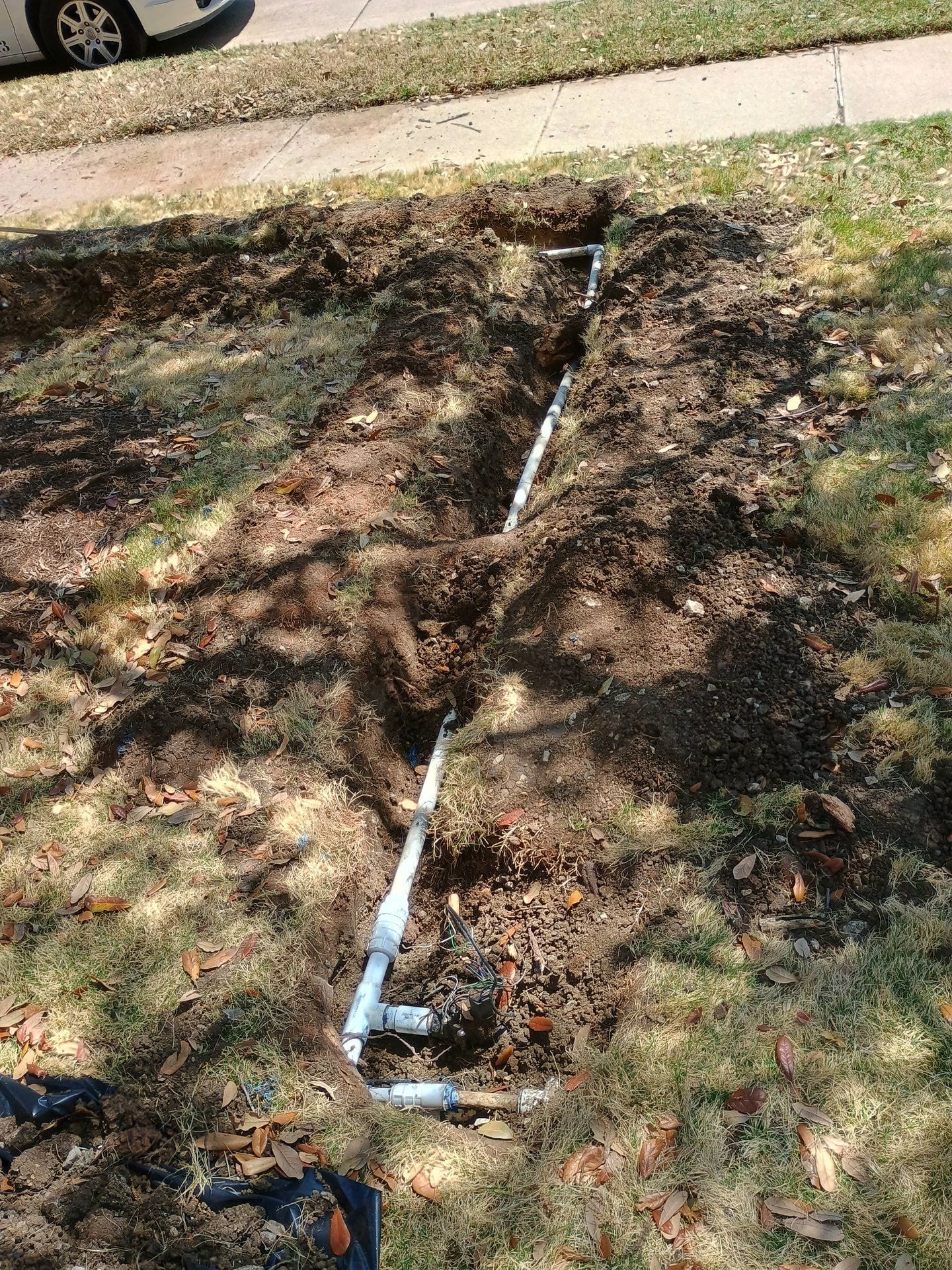
Tree Root Intrusion
Roots crush valve boxes and crack pipes - common in mature landscapes
Common valve issues
What we see most in valve repair
- Root-crushed valve bodies
- If a valve box is within three or four feet of a tree, it’s only a matter of time. Roots crack valve bodies, crush fittings, and grow through pipe connections. This requires excavation and full valve replacement, plus rerouting the lines away from the tree. If you have a valve box near a tree and it still works, move it now. It’s a fraction of the cost of dealing with root damage later.
- Debris and corrosion buildup
- Most residential valve boxes have no rock base and no cloth lining, so dirt fills in from day one. Over years, the box becomes packed with soil and you can’t access the valve without digging up the entire assembly. We clean the box, replace corroded components, and when possible add a gravel base to slow future buildup.
- Hidden leaks from failed valves
- When valve diaphragms fail, water leaks continuously, even when the system is “off”. This wastes water and creates wet spots, sinkholes, or foundation issues. Quick repair prevents costly damage.
- Buried and inaccessible valves
- Over time, landscaping, mulch, or soil can completely bury valve boxes, especially in older DFW systems. We use professional wire tracing equipment to find buried valves, excavate safely, and install proper access covers to prevent future burial. See our valve locating service for details on how we find lost valves.
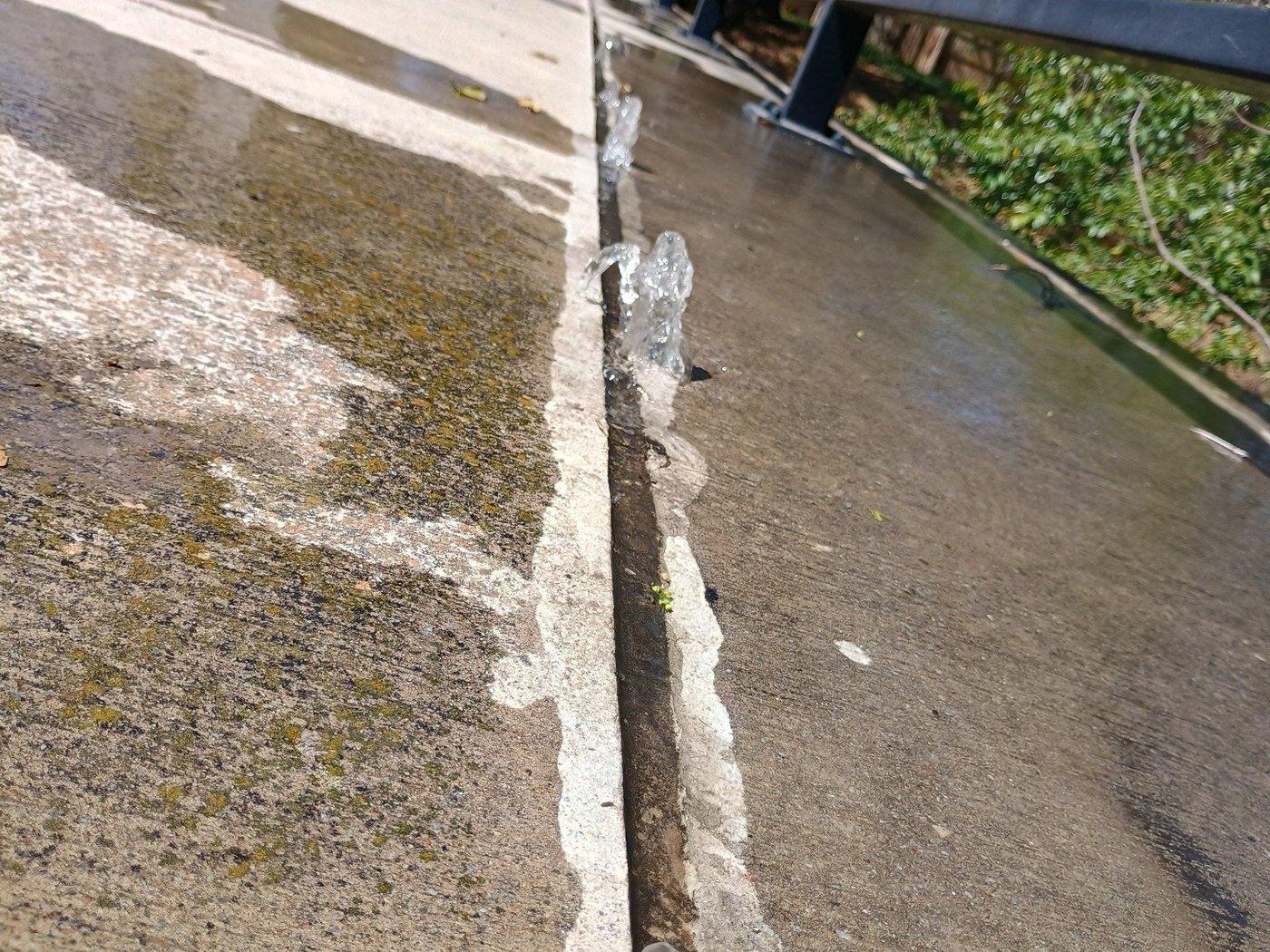
The process
Our valve repair process
- 1
Diagnose
We test the valve electrically and mechanically to identify the exact problem: solenoid, diaphragm, wiring, or debris.
- 2
Quote
Clear pricing before we start. You’ll know what to expect with no surprises.
- 3
Repair
Most valve repairs complete in under an hour. We carry common parts in our trucks for faster service.
- 4
Test
We cycle the valve multiple times and verify proper operation with your controller before leaving.
Not sure it's the valve?
If one zone stays dry while the rest run fine, start with our zone not working troubleshooting guide. It walks through the same checks we run on a service call, from the controller output to the solenoid. If the whole system is dead, the system not turning on guide covers the failure points in order. When a valve does need to be swapped, our valve replacement cost guide explains what drives the price, and the valve types guide shows how to tell which of the six common DFW valves is in your box.
Can't find the valve box at all? They get buried under sod and mulch in older DFW yards. Our valve locating service finds and marks them with professional tracing equipment, the buried valve locating guide shows how that works, and the valve box maintenance guide covers keeping the box clean and accessible. If water won't stop running right now, go straight to the emergency shut-off guide first.
Valve repair FAQs
How much does valve repair cost?
Valve repair costs depend on the type of repair needed - solenoid replacement, diaphragm repair, or full valve replacement. We provide clear estimates before starting any work. When you accept our repair estimate, you'll receive a discount on your total service.
How do I know if my valve is bad?
Common signs: zone won't turn on (or won't turn off), water continues flowing after the system shuts down, low pressure in one zone, water pooling around the valve box, or zones not responding to controller commands. Any of these warrants a diagnostic.
Can you repair my valve or does it need replacement?
Most valve problems can be repaired by replacing the solenoid or diaphragm. Full valve replacement is only needed when the body is cracked or corroded. We always try repair first to save you money.
Why is water still running after my system shuts off?
This usually means a valve diaphragm is torn or debris is stuck preventing full closure. It's wasting water 24/7 and needs immediate attention. We can usually fix this in a single service call.
How long does valve repair take?
Most valve repairs complete in 30-60 minutes. If we need to locate buried valves, add 30-60 minutes. We carry common solenoids and diaphragms on our trucks for same-visit repairs.
One zone won't turn on - is it the valve?
Possibly, but it could also be wiring, a controller issue, or a blown fuse on that zone. Our diagnostic tests all possibilities. We identify the actual problem before recommending any repair.
Why is my valve so hard to access?
A lot of builder-grade installs squeeze two valves into one small box, or use 6-inch boxes where a 10-inch would have been appropriate. You can barely swap a solenoid, let alone do a real repair. It gets worse when the solenoid wire was buried under the pipe during backfill — you have to pull the whole box to get to it. When we run into boxes like this, we'll often recommend upgrading to a properly sized box as part of the repair so future service is faster and cheaper.
Restore control to your system with valve repair
Don't let faulty valves waste water or damage your landscape. Contact Better Earth Solutions for professional valve diagnosis and repair.
Last updated: